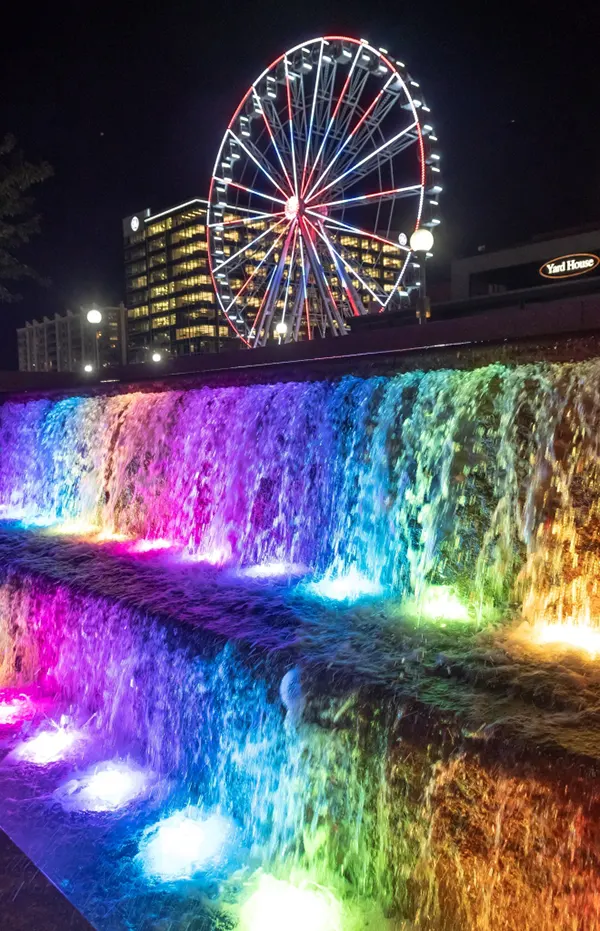
Timeline of The Banks
The Ohio River in Cincinnati has a rich history as an economic development engine. Lessons and successes from the past continue to inform and influence the future. Scroll down and follow the currents to learn the history of The Banks riverfront…
-
Late 1700s Early Settlers Thrive
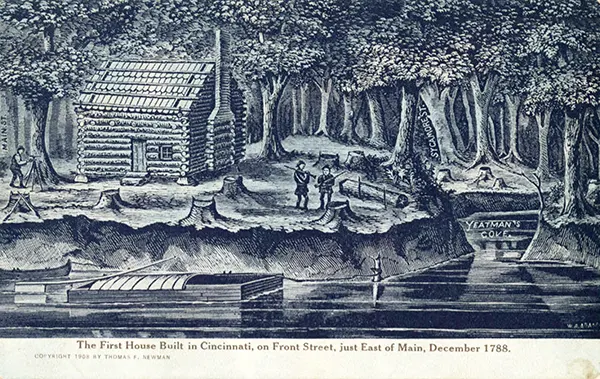
The first permanent settlement in present-day Cincinnati occurred in 1788 at the mouth of the Little Miami. Early entrepreneurs Israel Ludlow, Matthias Denman, and Robert Patterson purchased from John Cleves Symmes 800 acres of land and created the second settlement opposite the mouth of the Licking River. The settlers arrived by flat boats. The federal government built Fort Washington, south of where Lytle Park stands today, to protect settlers from Native American attacks.
Image from the Collection of The Public Library of Cincinnati and Hamilton County.
-
1811–1852 Steam Powers the Economy
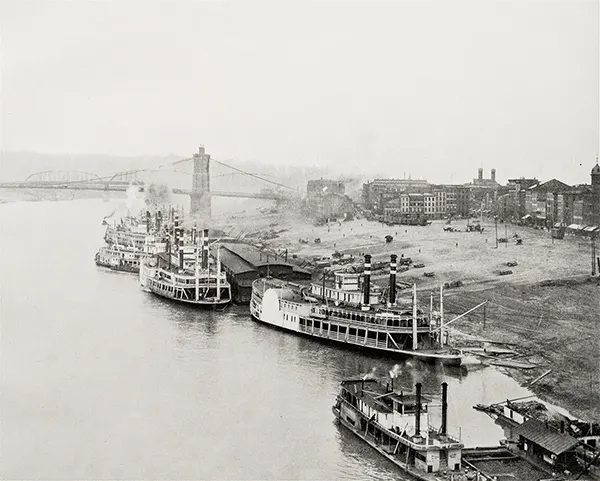
The steamboat era launched Cincinnati as a major city for manufacturing and trade. Steamboats handled most of the Ohio River’s commerce, which stimulated the creation of other businesses along the shore. In 1848 Cincinnati was the sixth largest city in the U.S. Steamboat production continued for more than a century, but steamboat traffic peaked in 1852, the year when 8,000 landings were recorded at Cincinnati.
-
1820–1851 Canals Extend Trade Routes
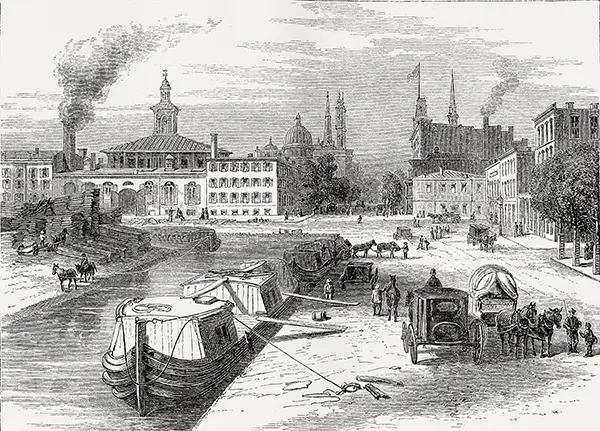
The reach of the Ohio was extended with the addition of man-made canals connecting the river to the Great Lakes. Flatboats could maneuver only during high water. The key to market accessibility was establishing a canal network. The Ohio and Erie Canal was completed in 1833. The Cincinnati and Whitewater Canal was finished in 1843. The Miami and Erie Canal opened in 1845, eventually extending to Toledo.
-
1840–1880 The Railroad Arrives
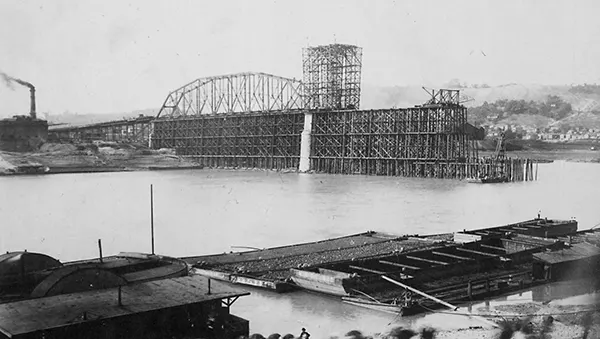
By the 1850s numerous railroads connected the North and South. Instead of supplementing riverboat traffic, the railroad became a competitor. Trains were considered more reliable than riverboats. Chicago became an important railway hub for the Midwest. Cincinnati’s population and economy ceased its rapid ascent. Road traffic increased too. In 1866, the Cincinnati Suspension Bridge, designed by John Roebling, was the first bridge over the Ohio River, connecting Cincinnati to Covington. The Louisville and Nashville line completed the L&N bridge in 1872.
Image from the Collection of The Kenton County Public Library.
-
1861–1865 Civil War and the Underground Railroad
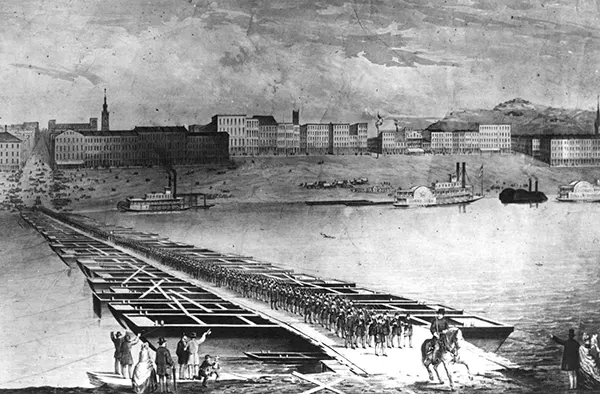
The Underground Railroad was a loose system of abolitionists who provided food, shelter, clothing, and safety to countless people escaping slavery for freedom. Many Cincinnatians helped slaves escape to the North. There was also a Maritime Underground Railroad. Many fugitive slaves stowed away on steamboats and sailed to freedom, often with the help of African Americans on board. The Ohio River was the gateway to freedom.
Image from the Collection of The Kenton County Public Library.
-
1881–1937 Extreme Water
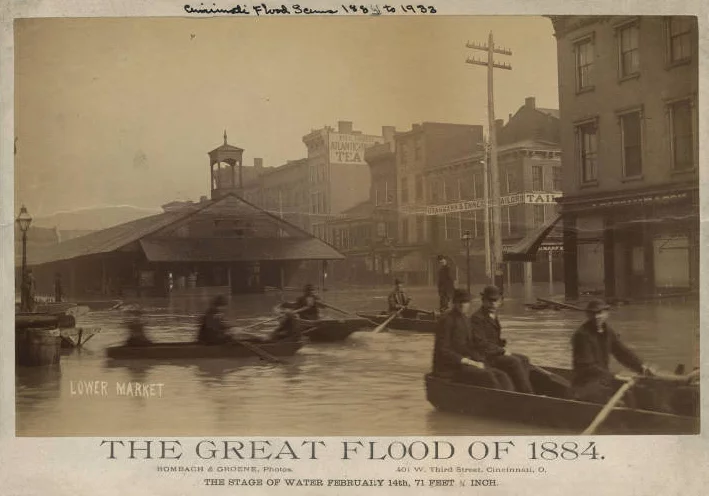
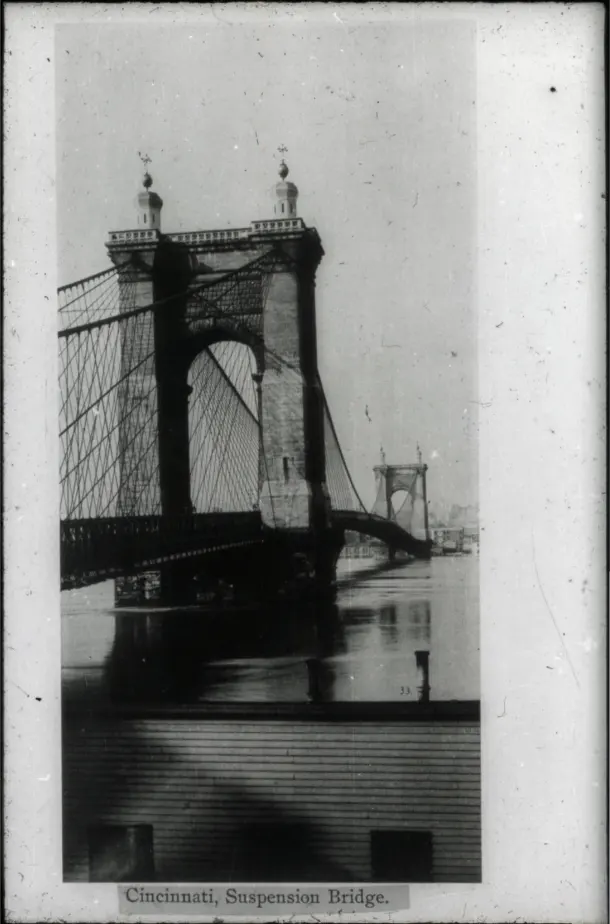
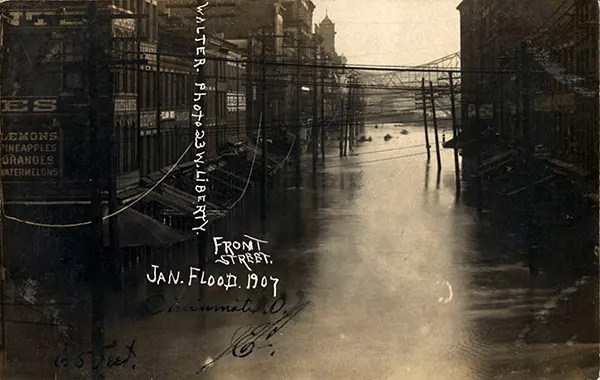
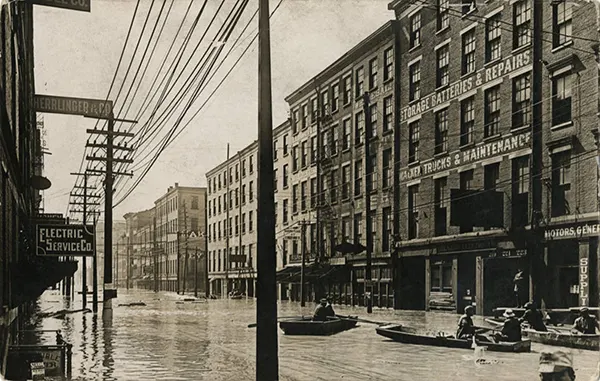
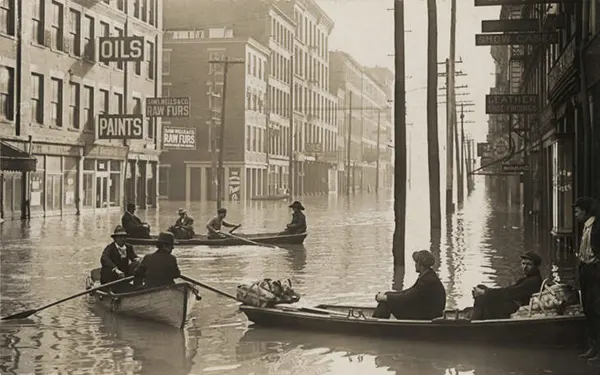
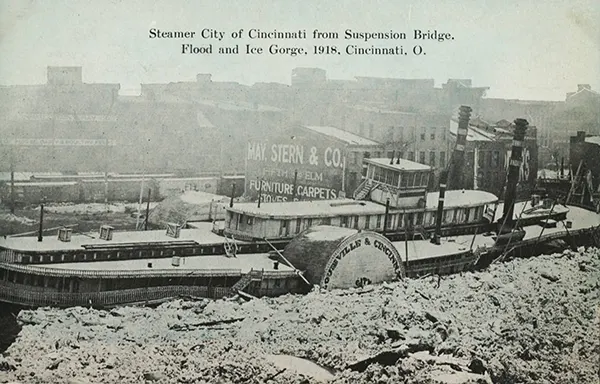
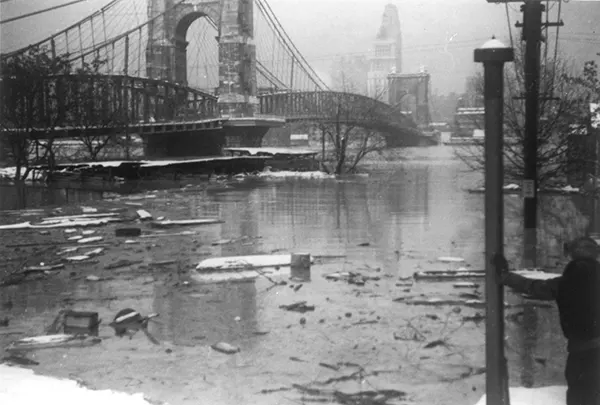
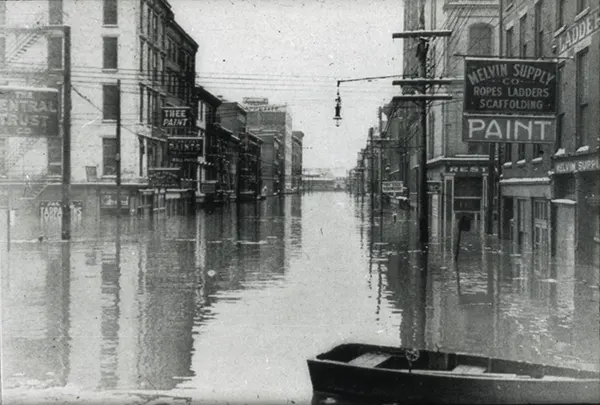
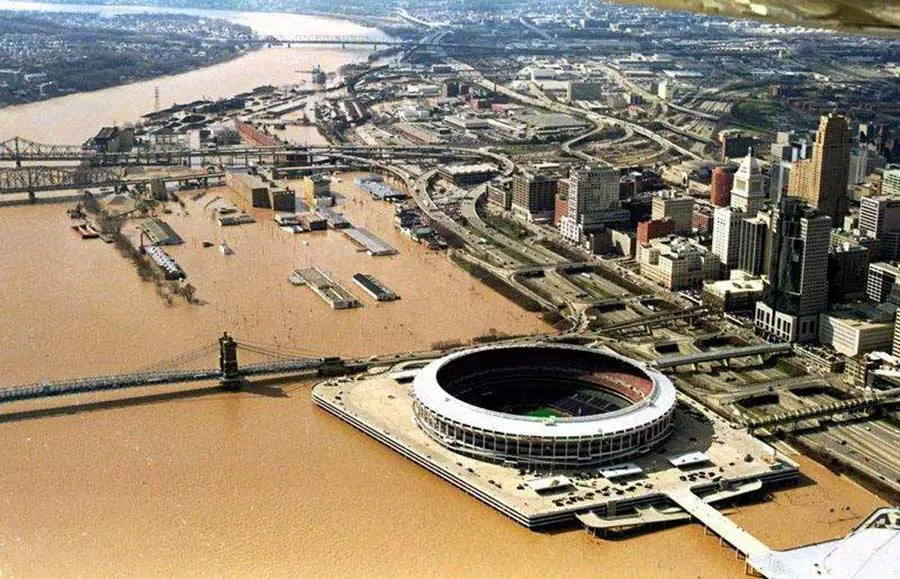
The Ohio River had an impressive range, from a low of less than 2 feet in 1881 to its highest crest of 80 feet in 1937. What has constituted the flood stage has changed over time. From 1873 to 1898, it was considered 45 feet. From 1899 to March 31, 1922, the flood stage was 50 feet. Since April 1, 1922, the flood stage is 52 feet for the Ohio River at Cincinnati. One hundred times the Ohio River has risen above the 52’ flood stage. A major flood occurs when the water tops 65 feet.
Images from the Collection of The Public Library of Cincinnati and Hamilton County and The Kenton County Public Library.
-
1907 1907 Kessler Parks Plan
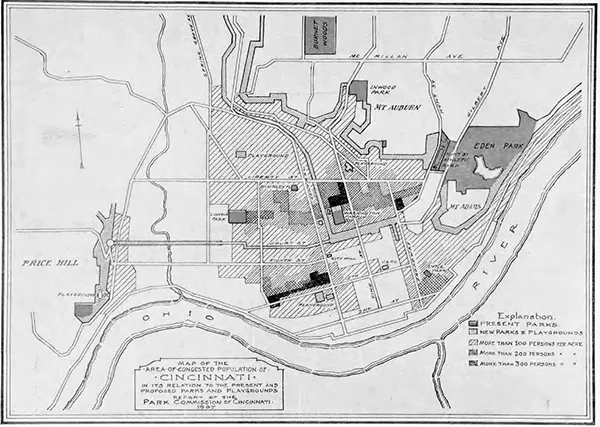
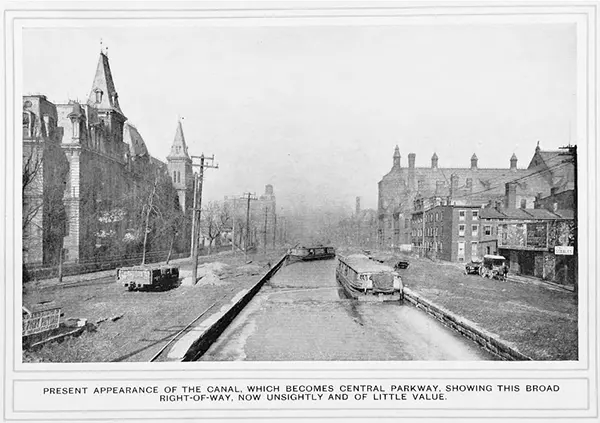
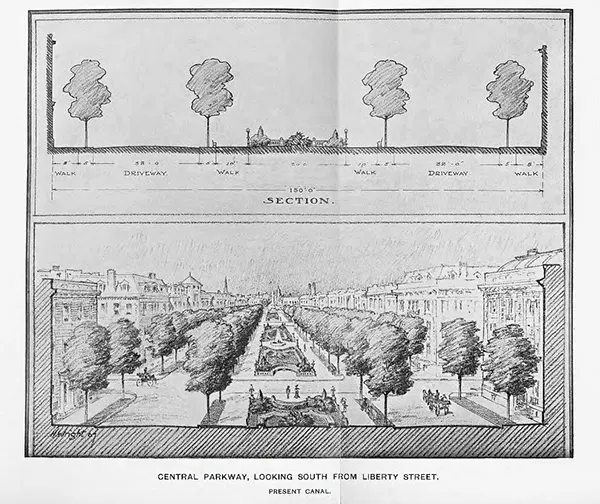
The 1907 Kessler Parks Plan recommended a park system for the City of Cincinnati. It designated no park space on the riverfront, although it did advocate a parkway system designed to improve cross-town and downtown circulation for commuters. Kessler recommended replacing the Miami and Erie Canal with Central Parkway as a key to making the downtown business district successful. He left the riverfront to waterfront commerce, industry and the railroads.
Images provided by the City of Cincinnati.
-
1911–1963 Dams & Locks
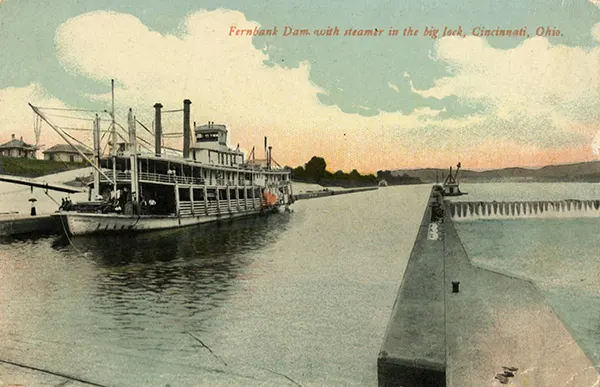
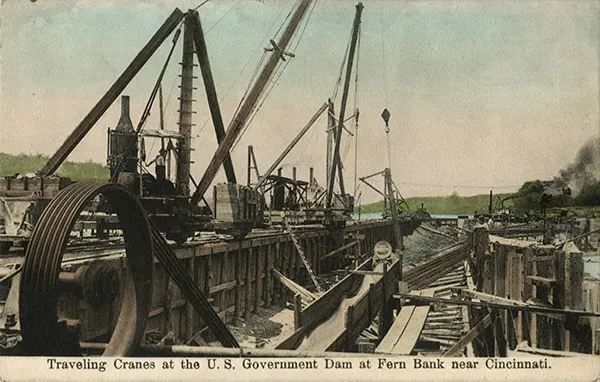
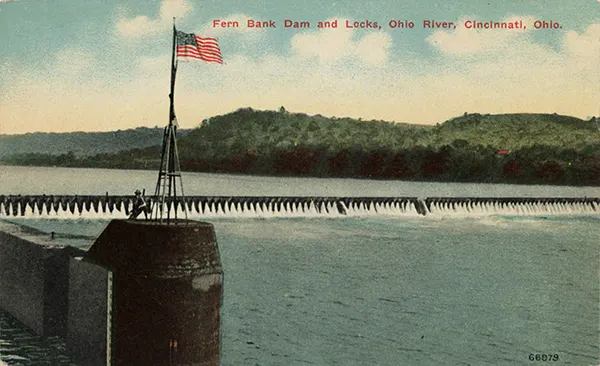
The U.S. Army Corps of Engineers completed the channelization of the Ohio River in 1929 with 50 lock and dam structures along the Ohio River to reduce the impact of flooding and provide for better navigation. This system was later replaced by a high-rise system of 20 dams. Nine navigational projects (locks and dams) are in operation today along the Ohio border of the Ohio River. The Ohio River has a total of 69 locks and dams.
Images from the Collection of The Public Library of Cincinnati and Hamilton County.
-
1925 1925 Official City Plan of Cincinnati
The 1925 Official City Plan of Cincinnati ignored the riverfront. It was not viewed as a place of civic pride or worthy of public investment. Although it acknowledged a trend toward reviving inland water transportation, the plan focused on developing the area north of the old canal and Central Parkway. The plan concluded that “…it is better to leave all further development to private initiative.”
Images provided by the City of Cincinnati.
-
1948 1948 City Metropolitan Master Plan
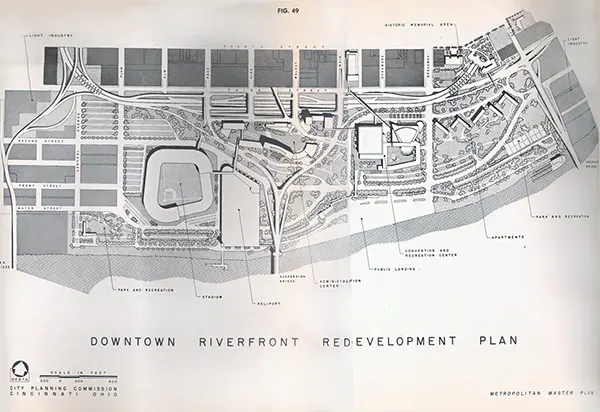
The 1948 Master Plan turned its attention back to the riverfront. It was especially concerned about the poor condition and underutilized land immediately adjacent to the south of the Central Business District. The 1948 Master Plan spawned the first iteration of Fort Washington Way (also known as the Third Street Distributor), which was constructed from 1958-1961. Although vast areas of the basin had been cleared and a substantial transportation investment made, residential or commercial construction on the model suggested in the 1948 Master Plan only resulted in one building, One Lytle Place, constructed in 1980.
Images provided by the City of Cincinnati.
-
1960–2002 Riverfront Parks developed
The Cincinnatus Association gave money in the early 1960s for the construction of Yeatman’s Cove Park. The City created the Serpentine Wall, which helped protect the park from flooding. Yeatman’s Cove Park with the Serpentine Wall opened in 1976. The first Riverfest was held in 1977 and took advantage of the new park to attract a large crowd. In 1988 a new riverfront park was planned to celebrate the city’s 200th anniversary, and Bicentennial Commons Park at Sawyer Point opened in 2002.
-
1961 Fort Washington Way opened
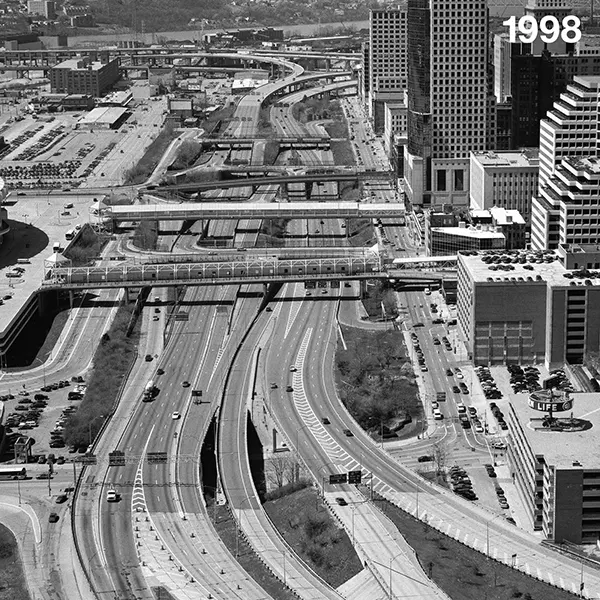
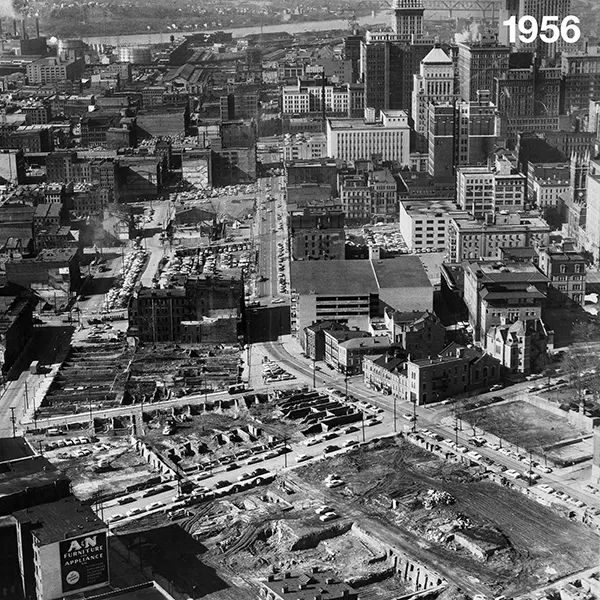
The influence of the 1948 Master Plan was reflected in the projects that started happening from the 1960s on. In 1961 Fort Washington Way was opened, and it cut off the riverfront from downtown.
-
1997–2007 Central Riverfront Urban Design Master Plan & Agreement
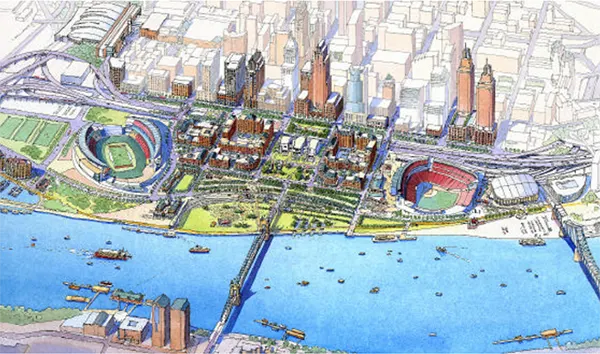
Urban Design Associates presented a draft plan in 1997 as part of a joint effort by the City, County, and OKI Regional Council of Governments. Urban Design Associates completed the Central Riverfront Urban Design Master Plan in April 2000, and the Riverfront Advisors Commission accepted it in May. The City Planning Commission approved it in June, followed by City Council in October.
-
-
2000 Fort Washington Way rework opens
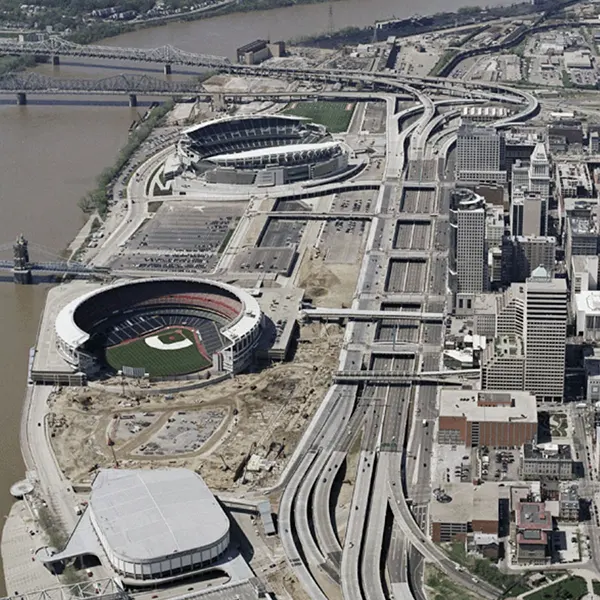
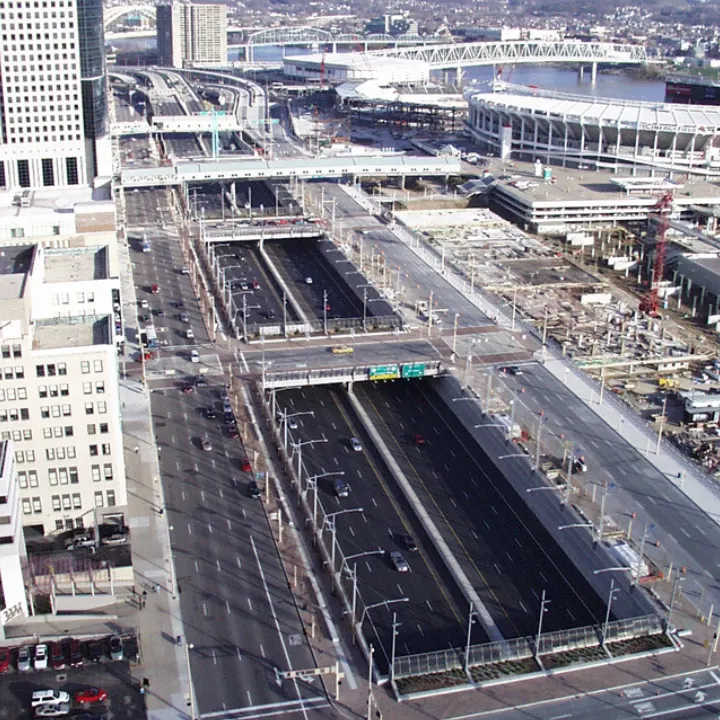
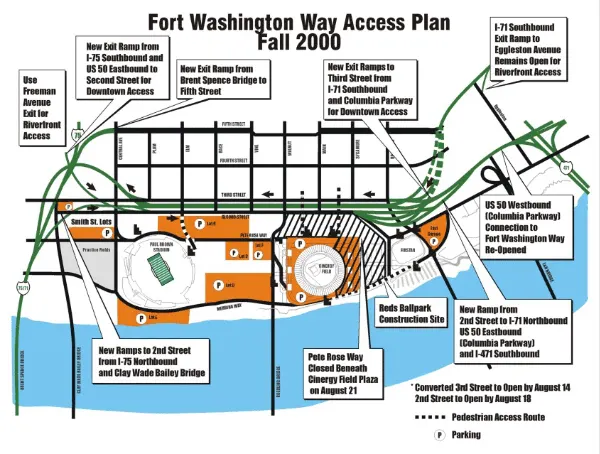
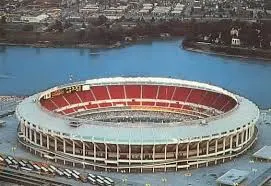
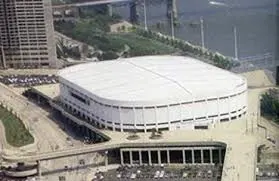
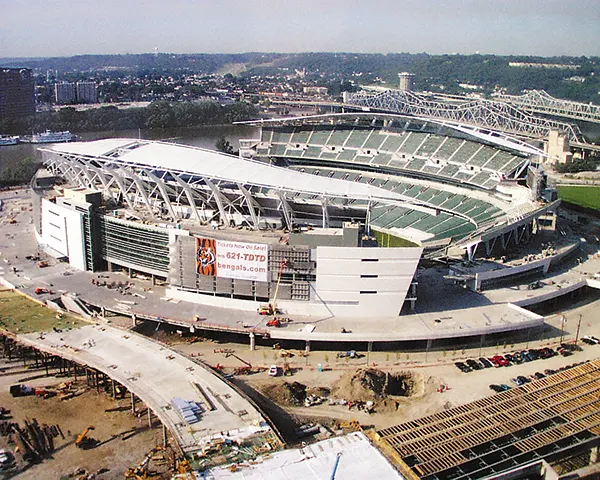
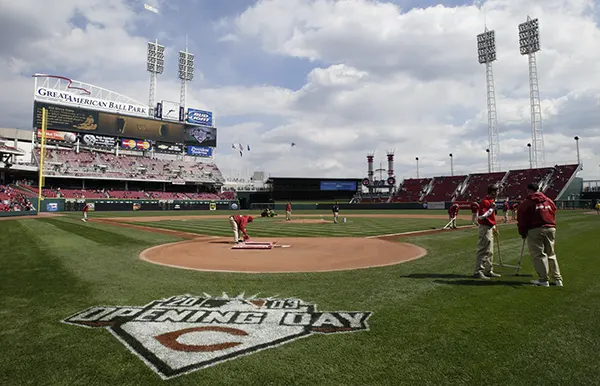
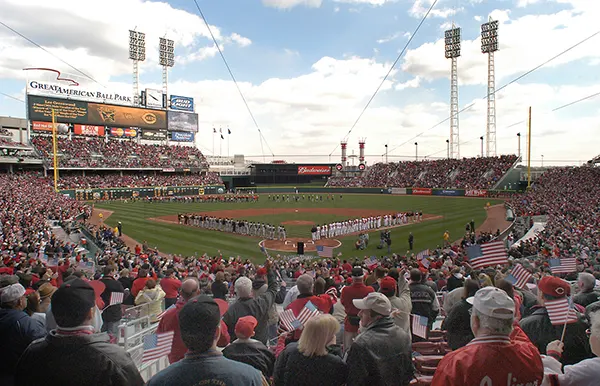
The 1997 Central Riverfront Master Plan demonstrated how necessary it was for the City and County to expend considerable dollars in enabling transportation work to make development possible. By the time a November 1998 voter referendum resolved the location of the new Reds Ballpark, the City had already begun the reconstruction of Fort Washington Way. The Riverfront Advisors Commission named the area “The Banks.” By the time that the final Central Riverfront Urban Design Master Plan was approved in 2000, the County had nearly completed the Bengals stadium, and the City had nearly completed the reconfiguration of Fort Washington Way, both faithful to the draft 1997 plan.
-
2002 Riverfront Transit Center completed/opened
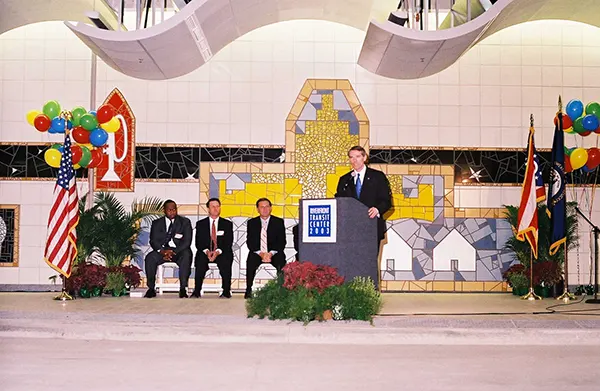
Integral in the planning of the riverfront, the Riverfront Transit Center, located under Second Street, opened in 2002. Although OKI recognized the need for a multi-modal transit center, getting agreement on its location and purpose proved difficult. Its location made it convenient to connect to riverfront rail lines to the east and west, and to a proposed light rail line. Also on multiple surface street bus lines, its connection to a vast reservoir of parking could conveniently serves the Central Business District.
-
-
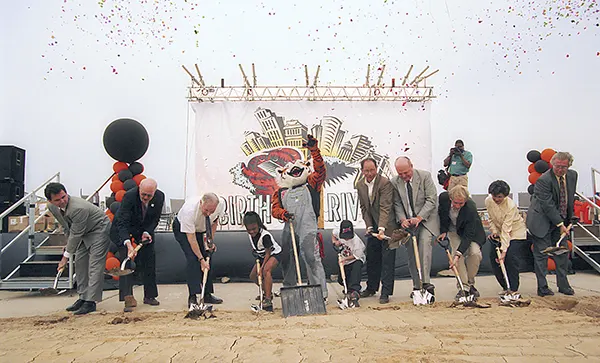
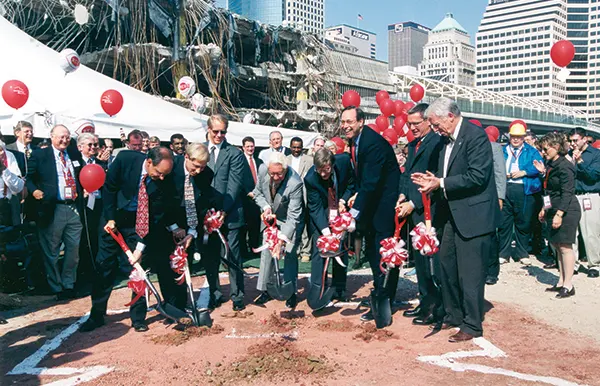
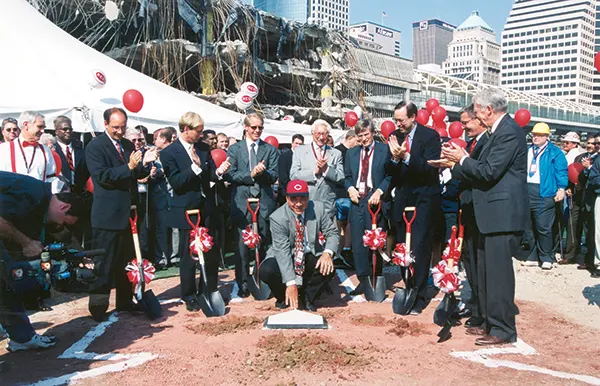
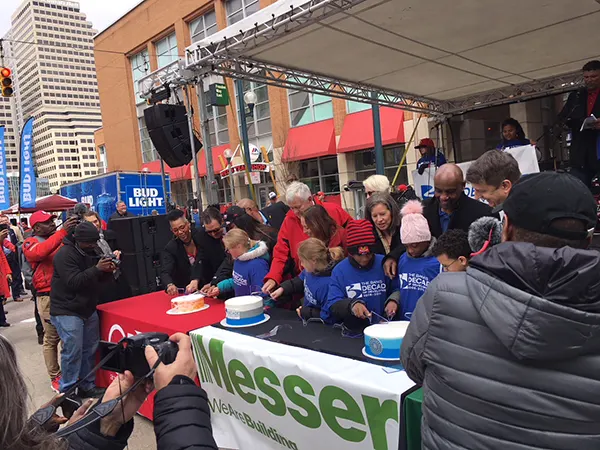
2008 Groundbreaking for The Banks riverfront development
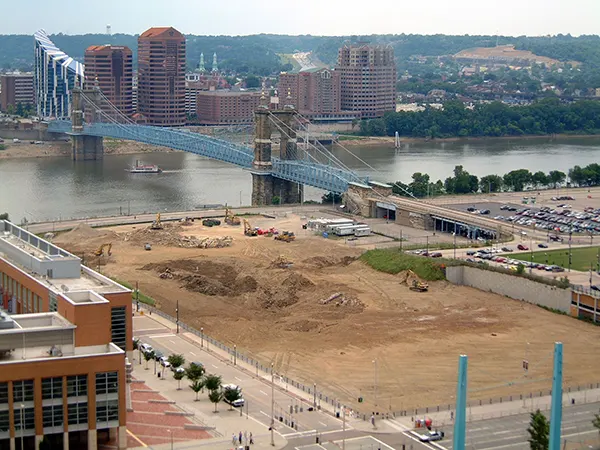
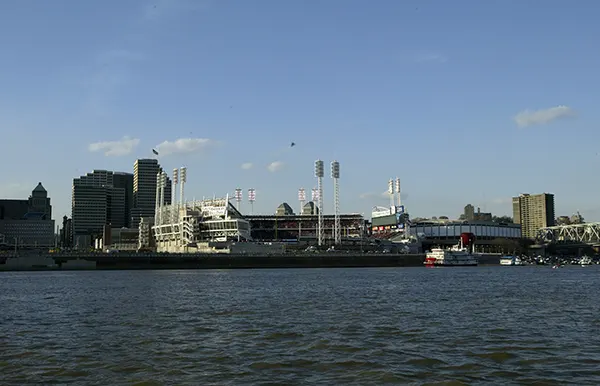
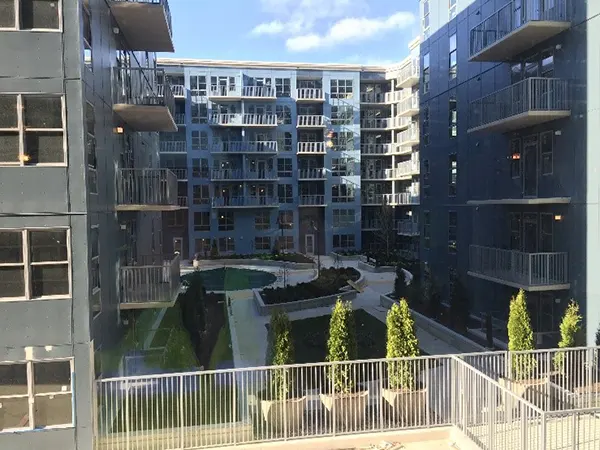
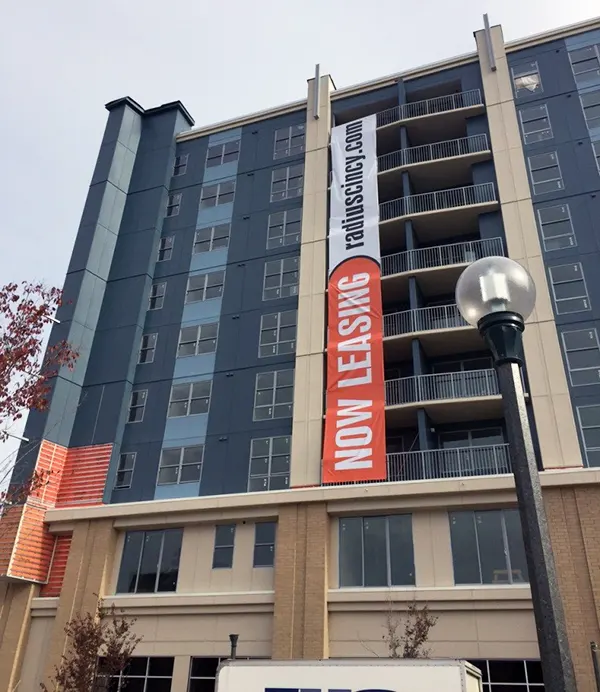
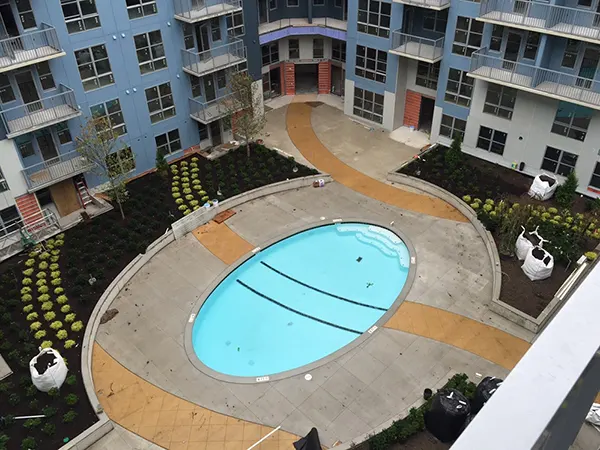
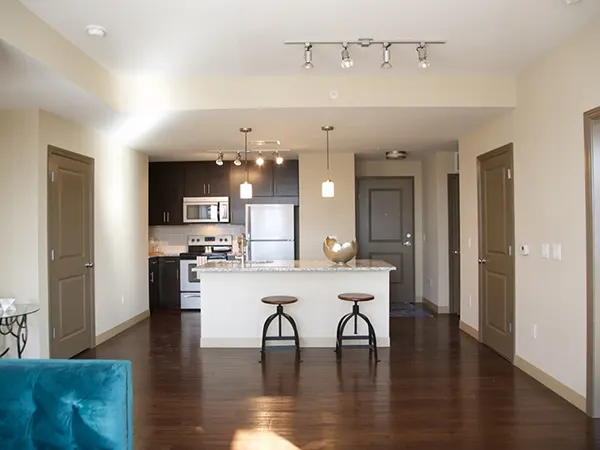
With the construction of the two stadia and the National Underground Railroad Freedom Center, the basic shape and boundaries of The Banks began to form. The revamped Fort Washington Way and the Riverfront Transit Center provided the infrastructure foundation. Starting in 2008, some of this early promise came together with the groundbreaking in April. It marked the beginning of rebirth with a new residential and commercial neighborhood.
-
2019 Phase IIIB development launched
Public infrastructure will be constructed in Lots 23, 27 and 28 to form the foundation for the Andrew J Brady Music Center. Extensions to Smale Riverfront Park and the Central Riverfront Garage will provide amenities for patrons and riverfront visitors alike.
-
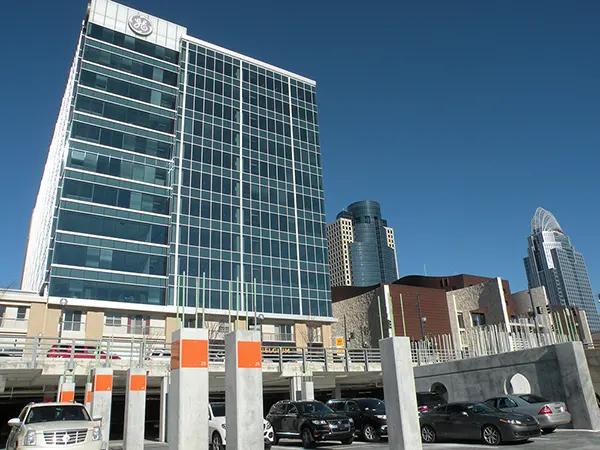
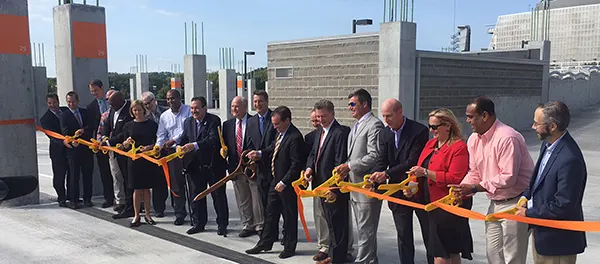
2020 Phase IIIB Infrastructure completed
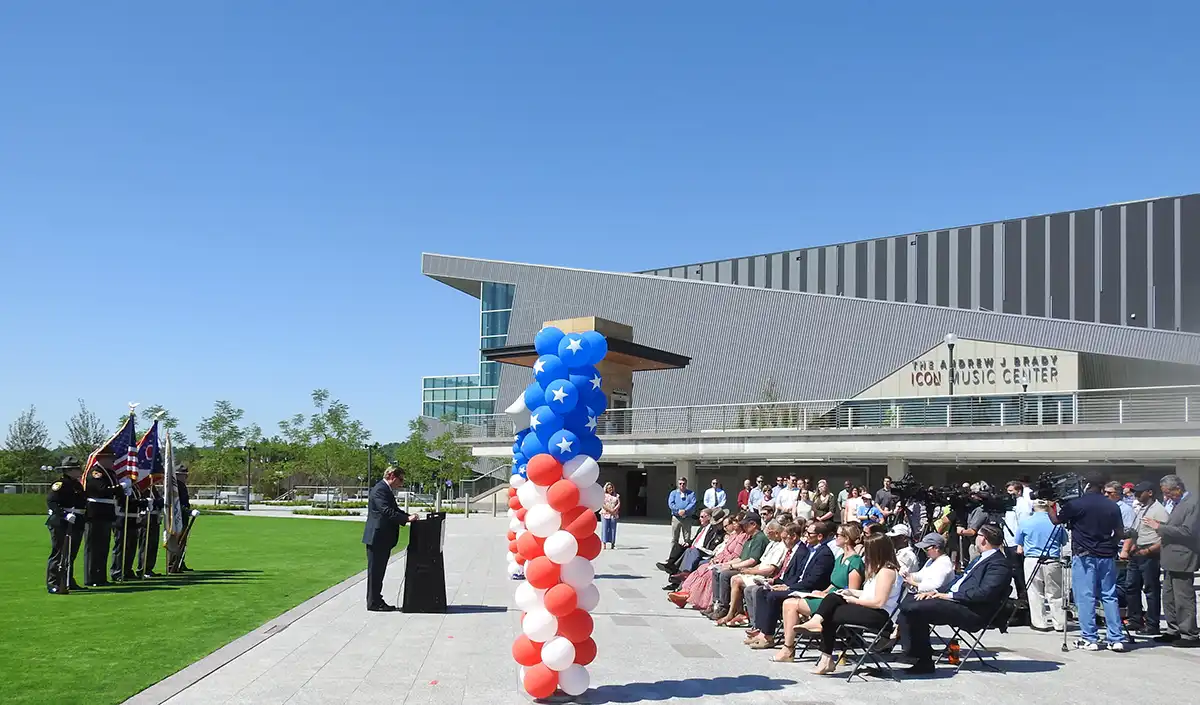
267 parking spaces were added in the Central Riverfront Garage extension along with the extension of Race Street.
-
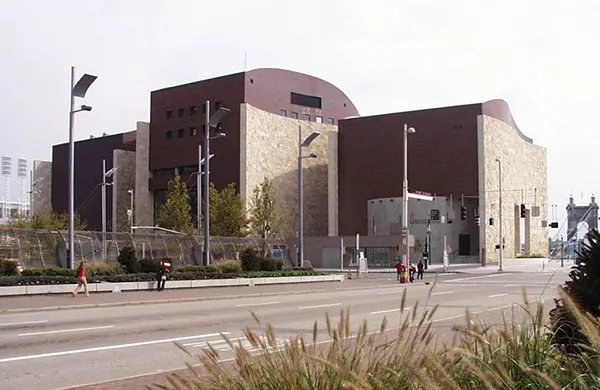
2021 Andrew J. Brady Music Center opens
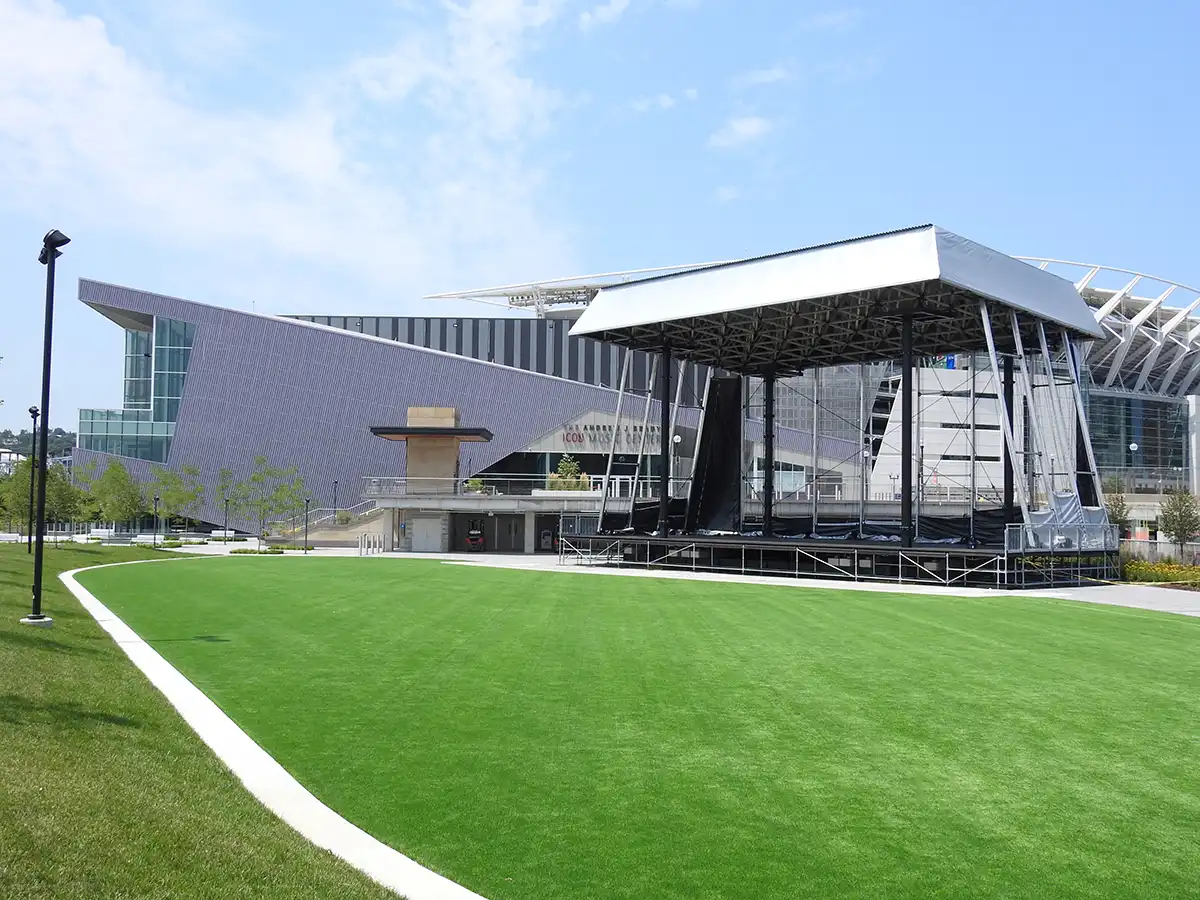
The Andrew J. Brady Music Center celebrated its grand opening in July, 2021. An outdoor stage complements the 4,200-seat indoor concert venue at the southern terminus of Race Street.
-
2022 Construction of The Cincinnati Black Music Walk of Fame begins
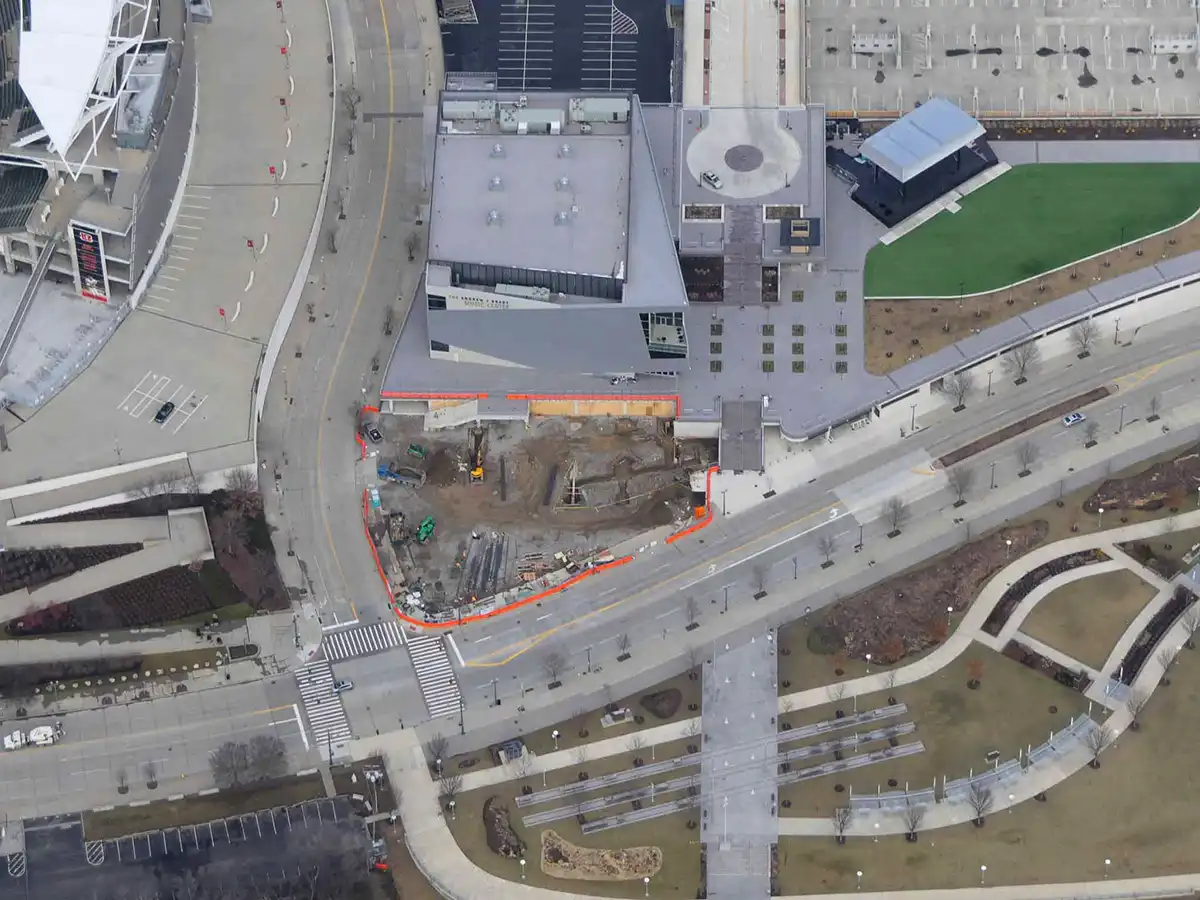
Hamilton County approved funding for the permanent home of an interactive visitor experience honoring Cincinnati’s Black Music heritage. Located on Lot 28, just south of the Brady Music Center, the Black Music Walk of Fame will welcome a class of honorees each year. Inaugural honorees in 2021 included Bootsy Collins, The Isley Brothers, Otis Williams and Dr.Charles Fold. The 2022 honorees are Midnight Star, Penny Ford, Hi-Tek, and Wilbert Longmire.